Beauty studio
Beauty, lash/brow, waxing, consultation and studio workflows.
An introduction
A beauty studio differs from the other trades in one respect: the actual work does not happen in an appointment but across a series of them. This section is written for studios that think in courses — lashes, brows, waxing, device-based treatments, facials — and whose working day therefore hangs on progressions rather than on single bookings.
The first subject is the consultation before the treatment. Skin condition, existing conditions, medication, previous treatments in other studios, tolerances: a first consultation that does not capture these moves the risk into the treatment. Which questions belong on an intake form, when it has to be repeated, and how consent is recorded so that it is still worth something later are recurring questions in this section.
The second is the course itself. A treatment plan over six weeks is only as good as the appointment already in the calendar. Agree the second appointment at the end of the first and there is no gap; wait for the client to get in touch and you lose part of the course and with it part of the effect. How to plan intervals, what happens to the plan when an appointment falls through, and how a deliberate break is recorded belong here.
The third is the progression itself: before-and-after notes, products and active ingredients used, reactions, aftercare instructions. These records are at the same time the most sensitive data in the studio, which is why the section also covers how to keep them without storing more than you need.
What is deliberately missing here: nail enhancement and nail art sit in the nail studio, massage and treatments with rest periods under spa and wellness. Questions about team, capacity and numbers sit under studio management, and choosing a system is a software question, not a beauty one.
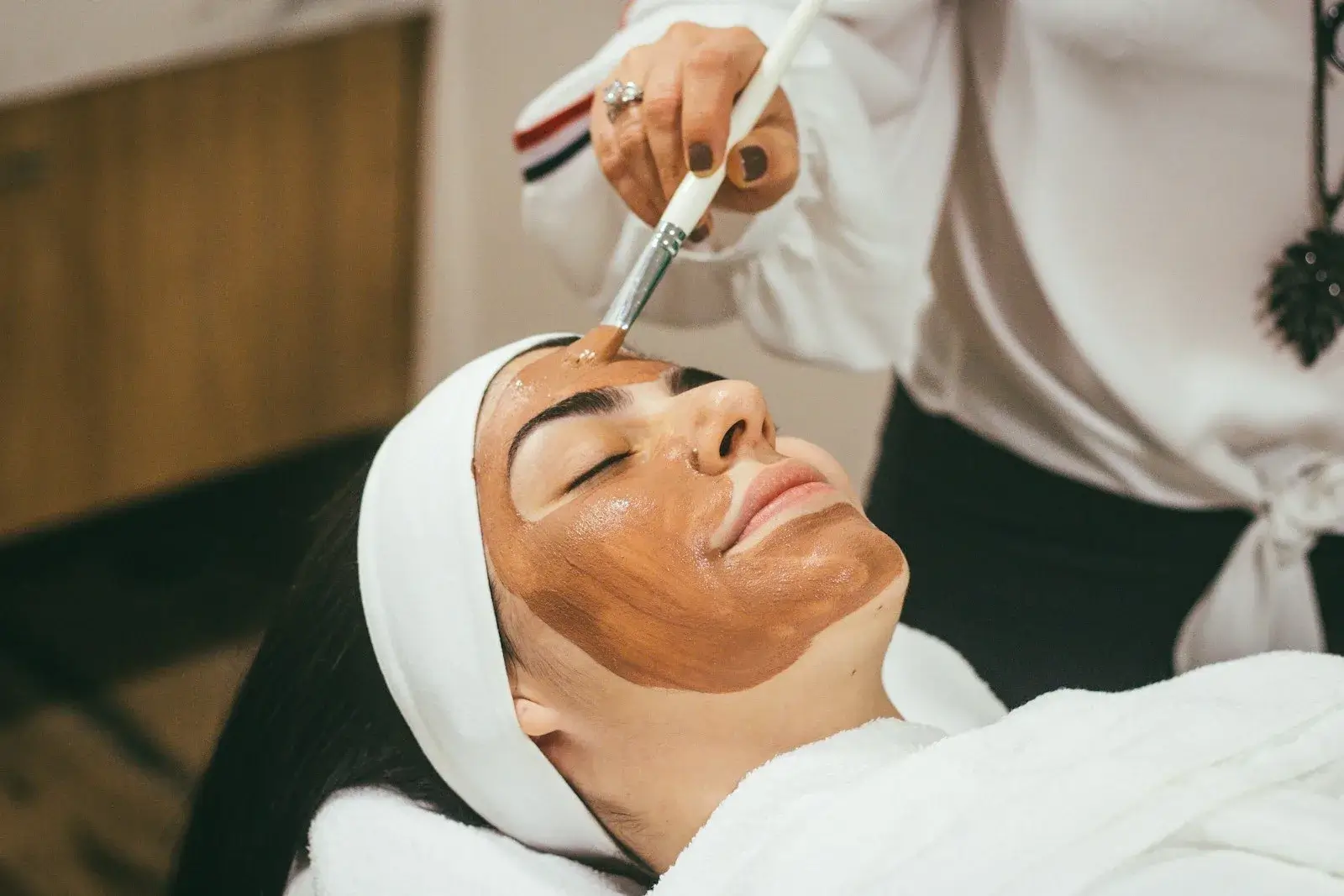
Treatment plans in beauty studios: connect consultation, progress and rebooking
Practical guide for beauty studio treatment plan: plan services, durations, client records, booking channels and team...
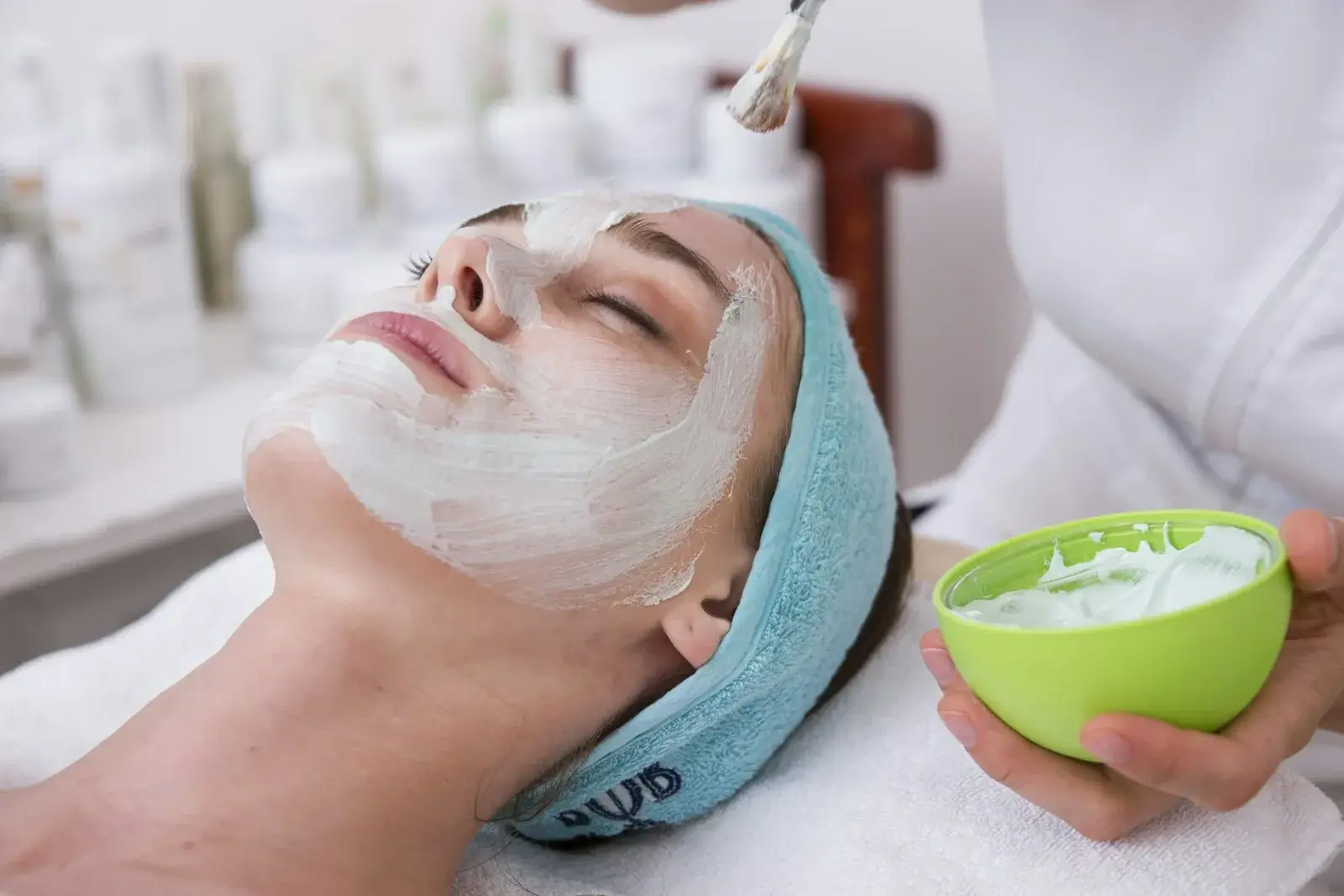
Make a beauty studio bookable online: combine website, Google and Instagram
Visibility alone brings no appointments. Which treatments should be directly bookable, which need a consultation firs...
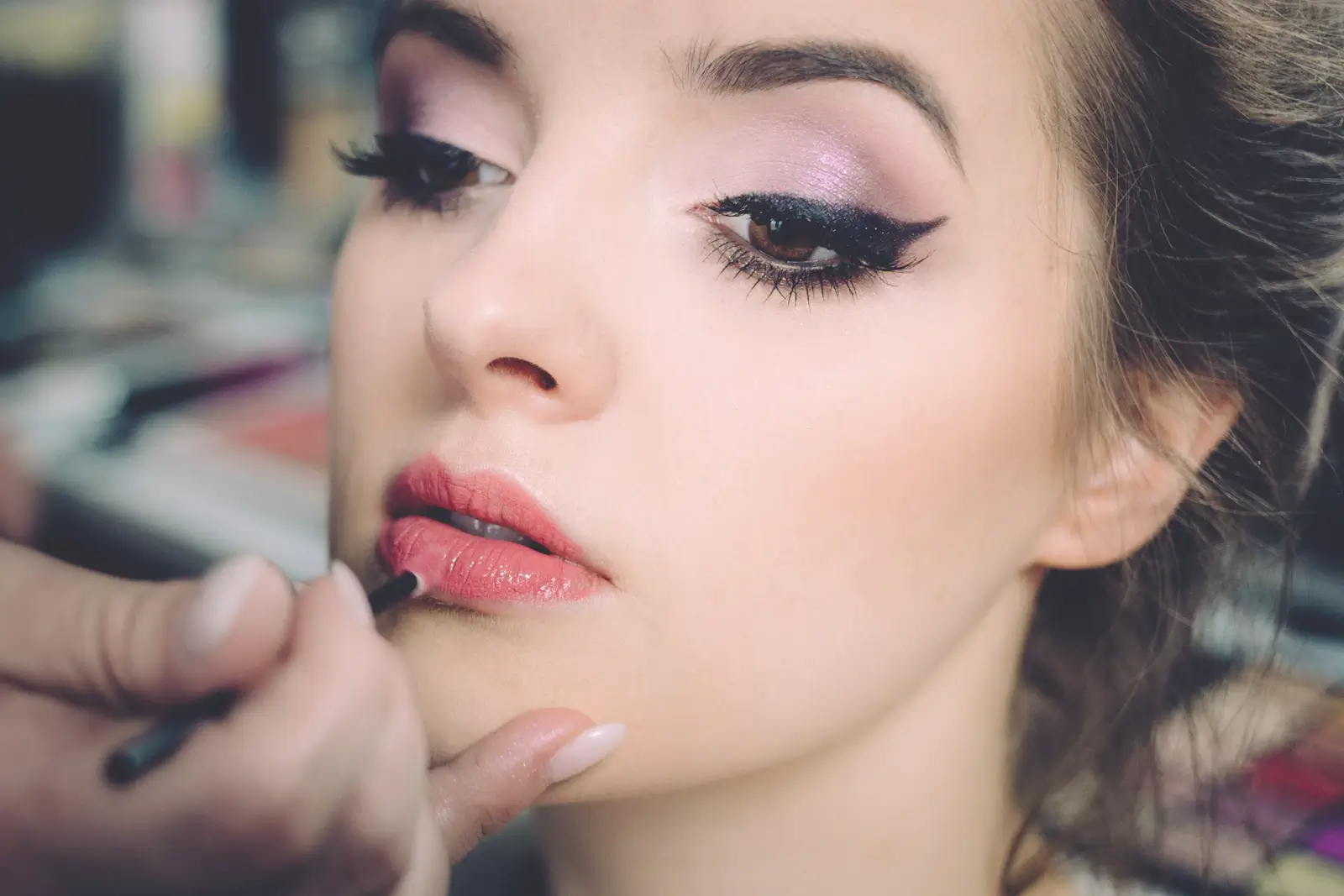
Beauty studio treatment series: plan consultation, progress and rebooking
A series is not six single appointments. Record the goal and the interval at the start, keep progress notes lean, and...

Beauty studio software for treatments and client history
A follow-up treatment is only as good as the notes from the last one. Check that consultations, history and durations...