Barbershop
Barber appointments, loyal clients, services and team planning.
An introduction
A barbershop runs on a different clock from a hairdressing salon, and this section takes that difference seriously. Shorter turnarounds, more repeat visits, a clientele that plans less far ahead and walks in more often: almost every organisational question in a barbershop follows from those three properties.
The first is the clock. A fade does not take as long as a colour, but it forgives lateness even less, because at three or four appointments an hour every delay is handed straight to the next one. How long a slot really has to be, when cut and beard together deserve a package of their own, and where a supplement for the more involved version is more honest than an averaged price — those are the questions answered here.
The second is walk-in trade. Hardly any barbershop lives on appointments alone, and hardly any manages entirely without them. How walk-ins and booked appointments share the same day, who holds the queue when nobody is at the desk, and how to communicate a wait so that people do not leave again — there are articles here on all of it.
The third is attachment to a person. In a barbershop it is rarely the shop that gets booked but a particular barber. That is good for repeat business and awkward around holidays, illness and staff changes. How to set up a team so that one absence does not cost a whole day belongs here, as does the question of what a client note has to contain so that a cover appointment does not come out worse than the usual one.
What is not here: colour, long-hair cutting and the subjects of the classic salon sit under hairdressing salon; cross-cutting questions about team, capacity and numbers under studio management. And choosing or introducing a booking system is a decision of its own — that belongs in the salon software section.
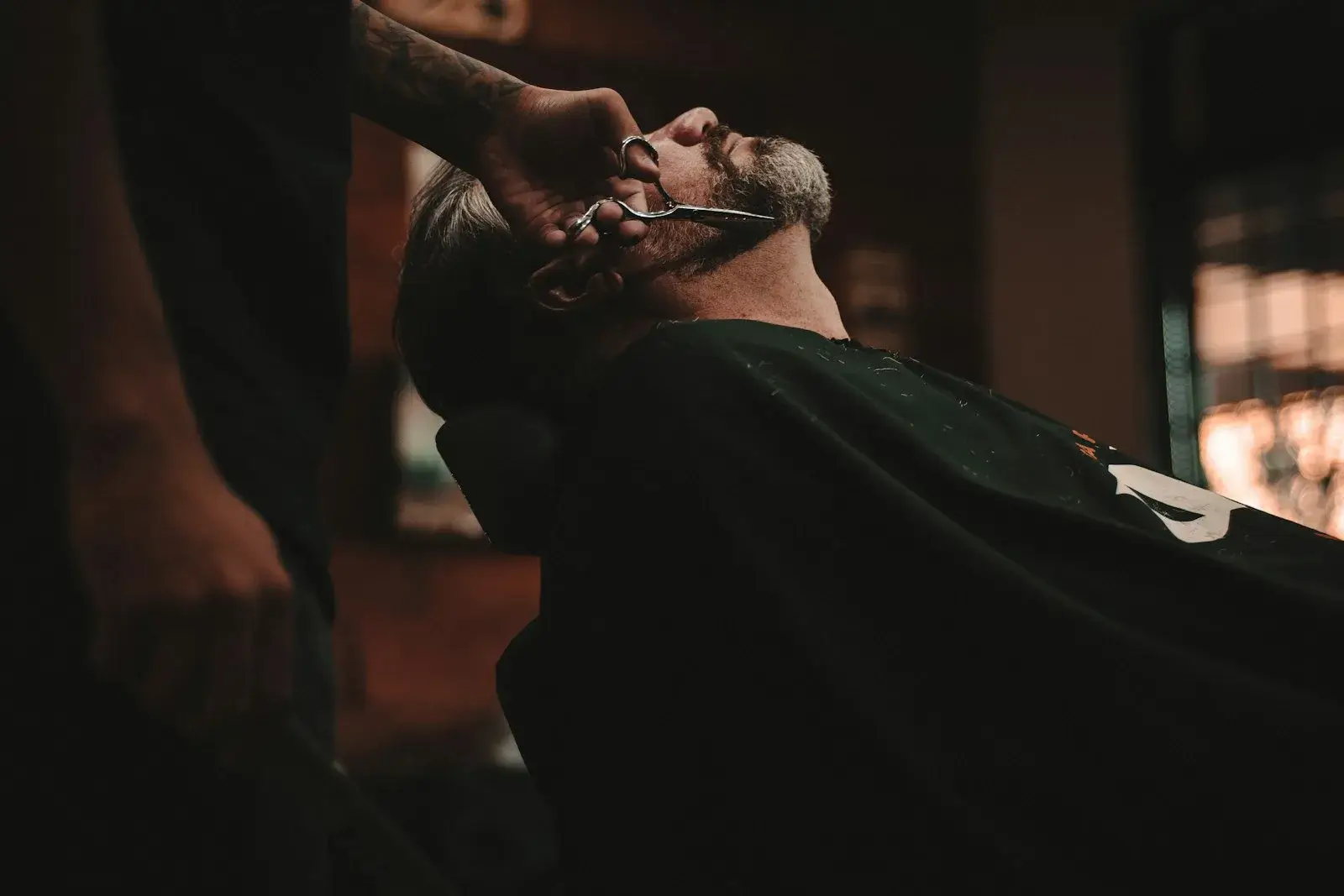
Barbershop online booking: manage walk-ins, regulars and no-shows
Practical guide for barbershop online booking: plan services, durations, client records, booking channels and team wo...
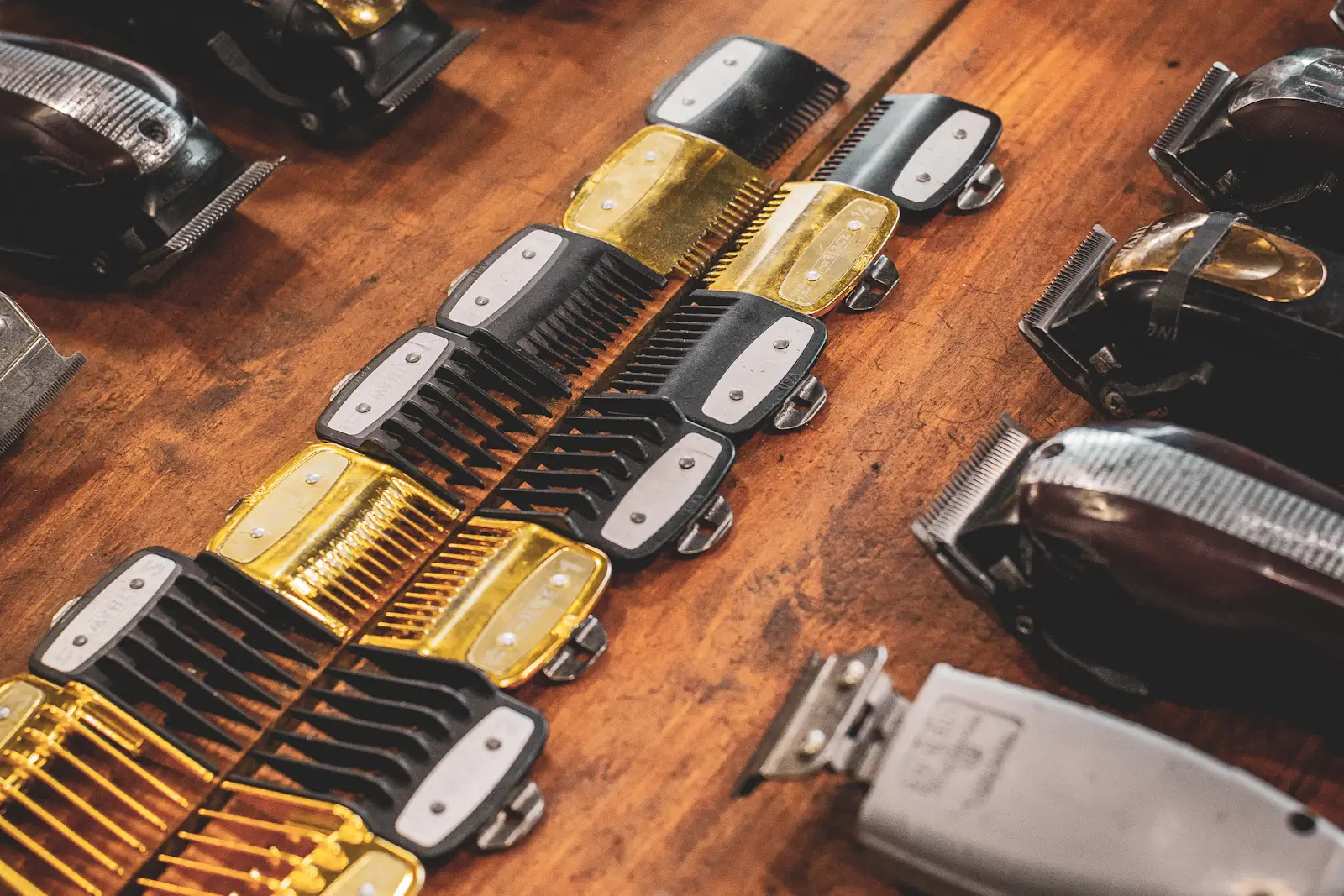
Structure barbershop services online: fades, beard care and packages
Practical guide for barbershop services online: plan services, durations, client records, booking channels and team w...
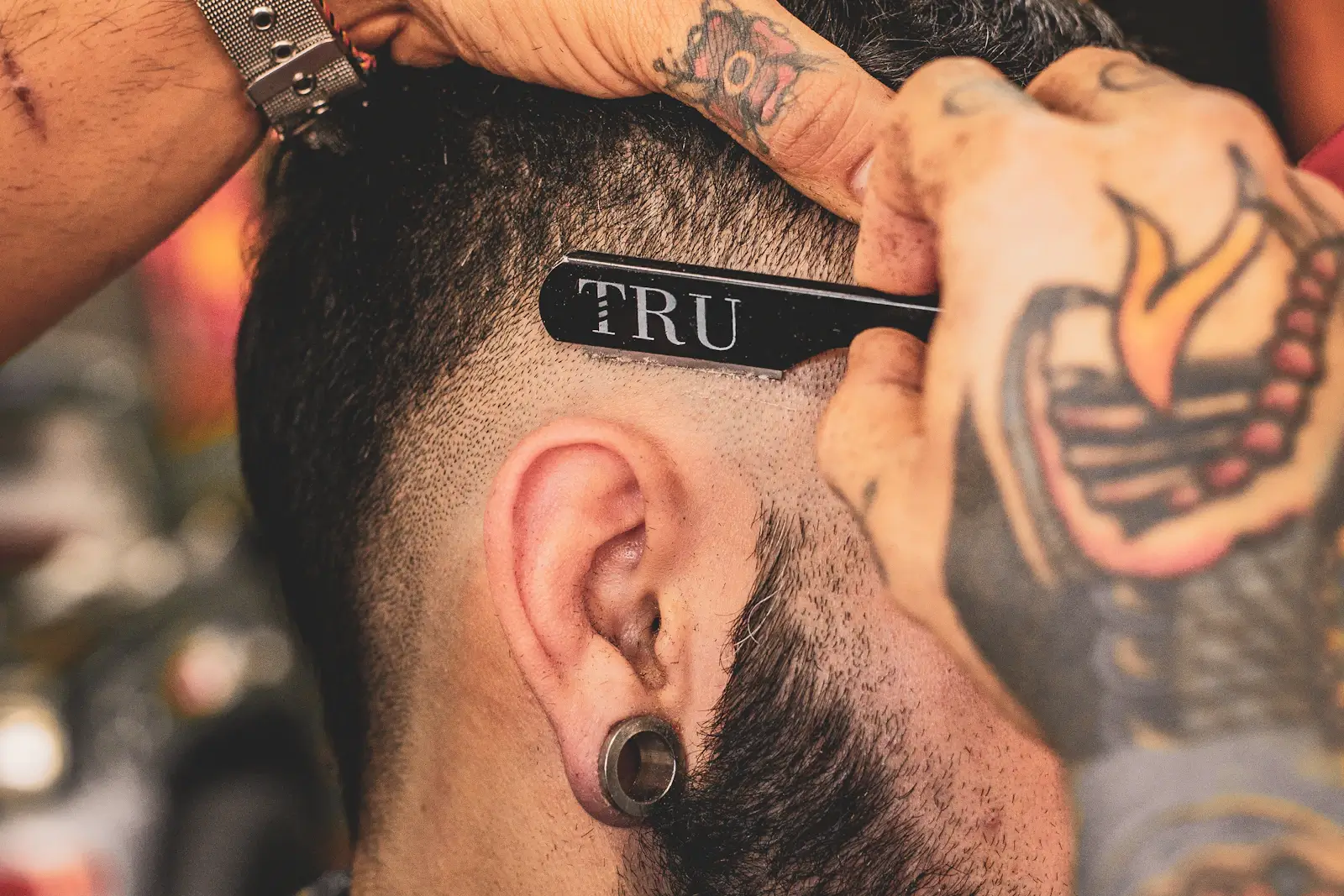
Barbershop waitlist and walk-ins: planning spontaneous clients cleanly
Keep protected walk-in windows, decide who the waitlist calls first, and set a rule for when a cancelled slot is rele...
Barbershop software for appointments, team and regulars
Cuts, beard trims and combos each need their own duration and price, and regulars expect their barber. A checklist fo...