Hairdressing salon
Articles on hairdressing software, online booking, client records and salon operations.
An introduction
This section is about running a hairdressing salon: about appointments that hold, clients who come back, and the half hour a day that disappears between a call, a call back and the appointment book. It is written for owners of small and mid-sized salons, for whoever leads the team, and for anyone renting a chair or working self-employed on one.
The most common questions are questions about time. How long does a colour really take once the development time sits in the middle of it, and what happens on the second chair during that gap? How much slack does a day take before it tips, and at what point does slack make it uneconomic? Out of those answers comes a service menu that names not only prices but durations that hold up in the calendar.
The second big question is return. A salon does not live on new faces but on the rhythm of familiar ones: four to six weeks on a regrowth, six to eight on a short cut, considerably longer for anything meant to grow out gently. Know that rhythm per service and you have to advertise less and remind more. The same group holds the articles on client notes, on formulas and preferences, and on handling cancellations.
Then there are the subjects nobody opens voluntarily and every business meets anyway: hygiene and the records that go with it, holding client data, consent for photographs, complaints after a colour. They appear here not as legal text but as a description of what is workable in a salon day.
Two neighbouring subjects sit deliberately elsewhere. Anything that only concerns a barbershop — beard services, walk-ins, short turnarounds — is in the barbershop section. And the question of which system you run and how you introduce it is a software question; it sits under salon software. This section is about the craft and the business around it.

Best hairdressing software 2026: booking, client cards and website
Which system fits depends on whether you run one salon or several locations. Compare booking, client cards, per-seat...

Hairdressing software costs: staff, locations and hidden fees
Per staff member, per location, per SMS or per module: where salon software pricing actually grows, and which line it...

Multi-location hairdressing software: manage salons centrally
Several branches add permissions, location pages and a central overview. What changes when one salon becomes three, a...

Online booking for hairdressers: website, Google and Instagram
Most appointments start on Google, Instagram or a recommendation. How to lead all three into one booking path instead...

Create a hairdresser website: builder or booking system?
A page builder gives you design, a booking system gives you availability. Where the two overlap, where they do not, a...
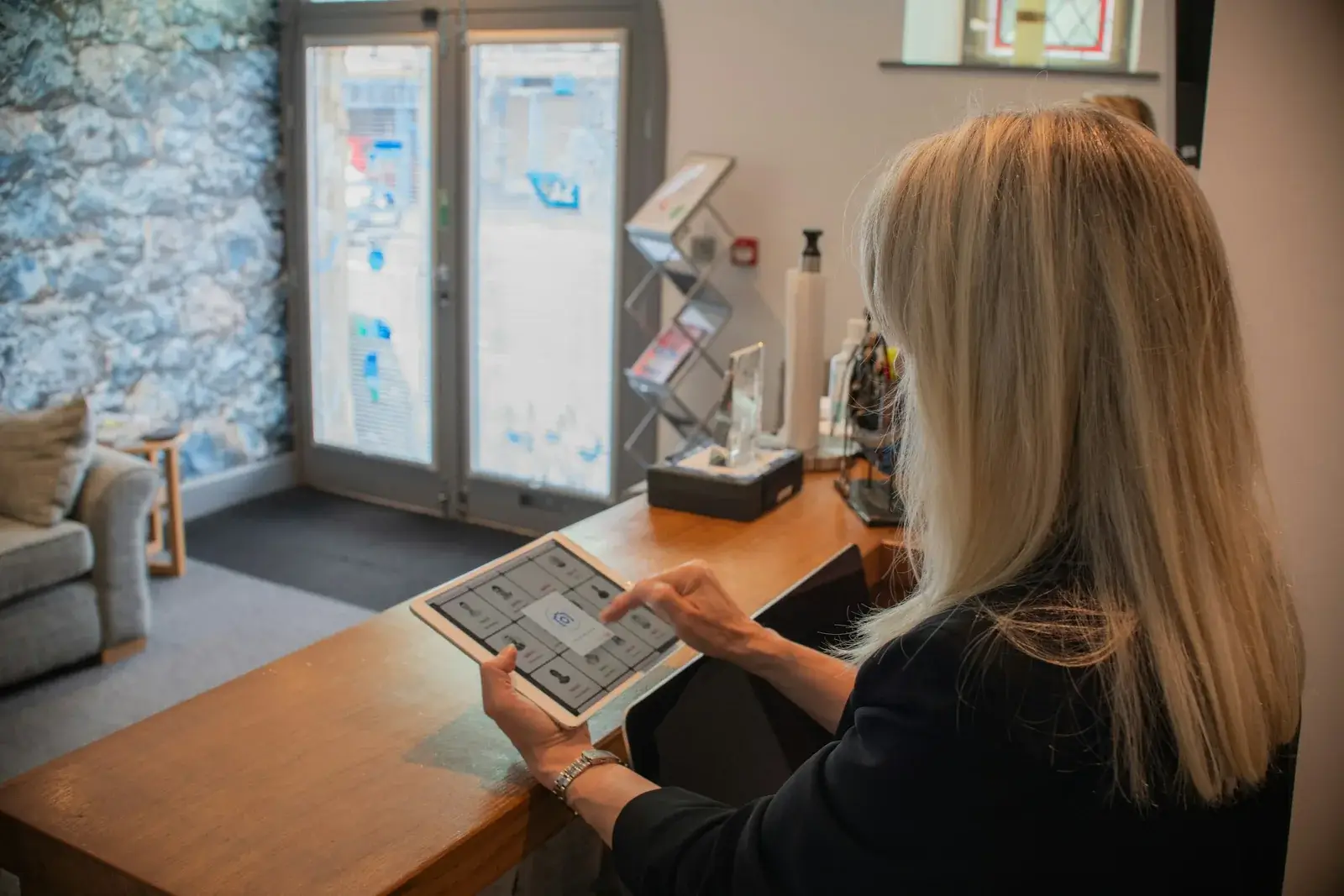
GDPR-compliant hairdressing software: client data and hosting
Colour formulas, phone numbers and appointment histories are personal data. What to ask about hosting, processor agre...
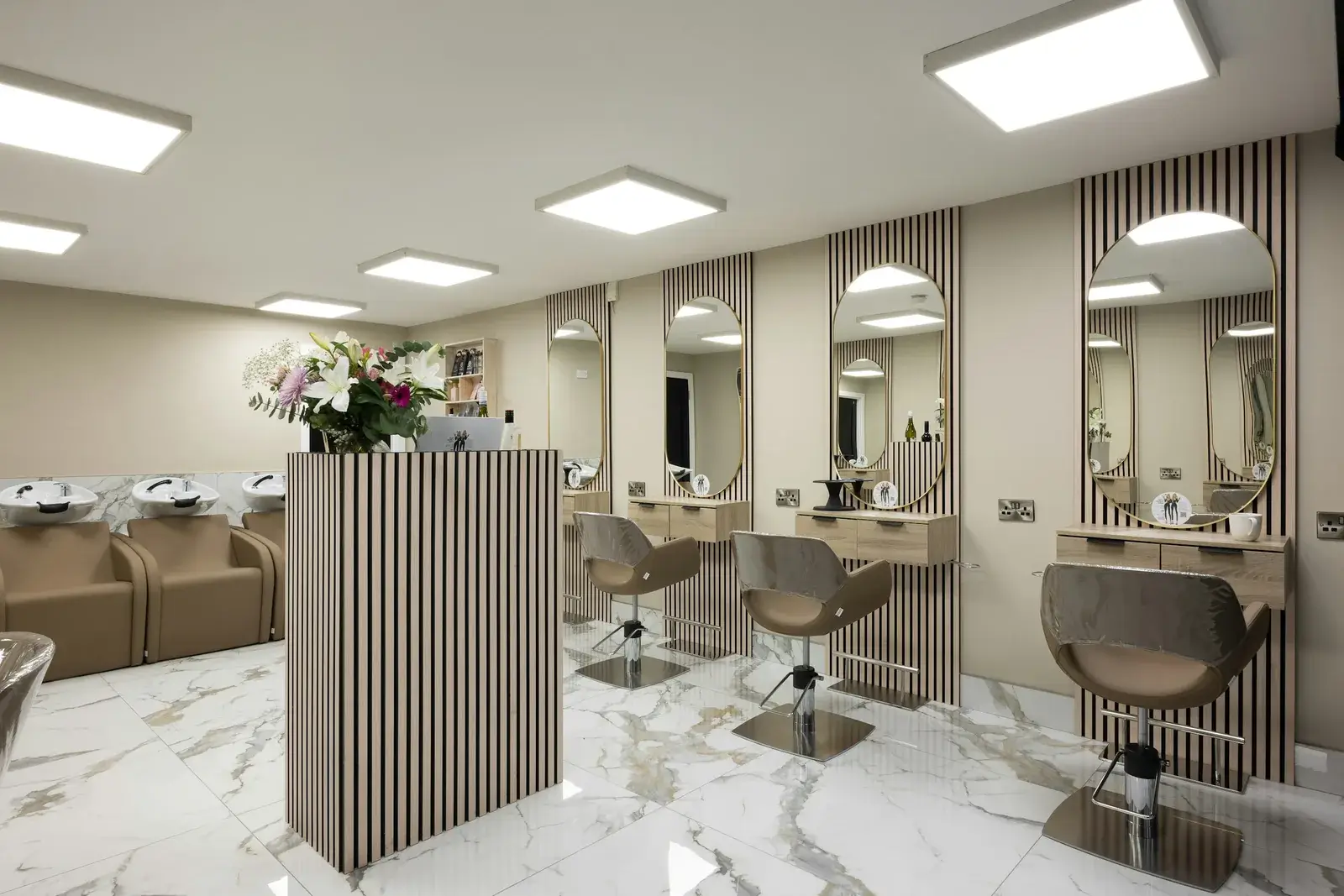
Digital client records for hairdressers: privacy and history
Formulas, preferences, notes and no-show history are only useful next to the appointment. What a salon record has to...
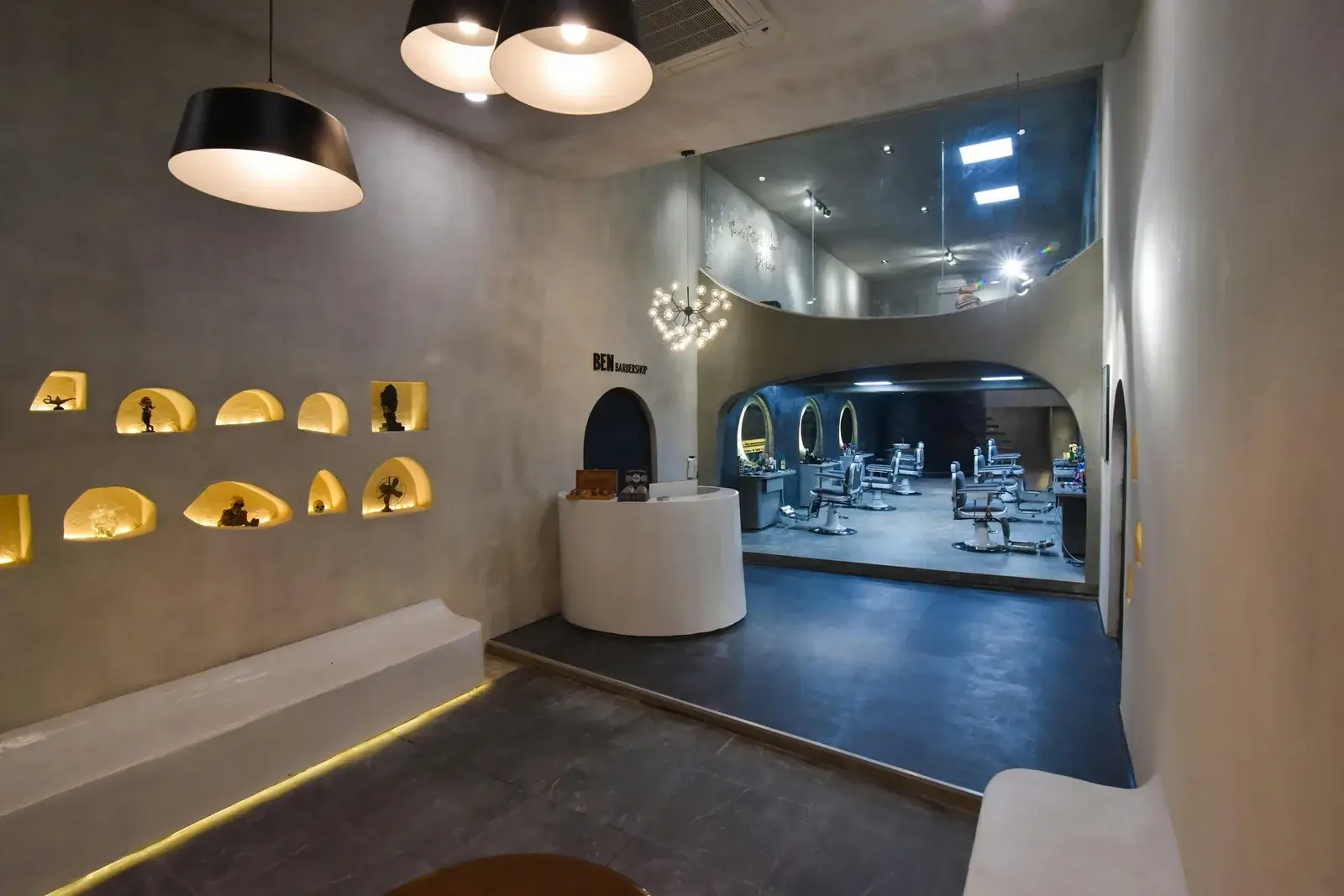
Booking portal or own salon website: what fits hairdressers?
A marketplace brings reach but holds the client relationship. An owned page builds local visibility slowly. How to we...
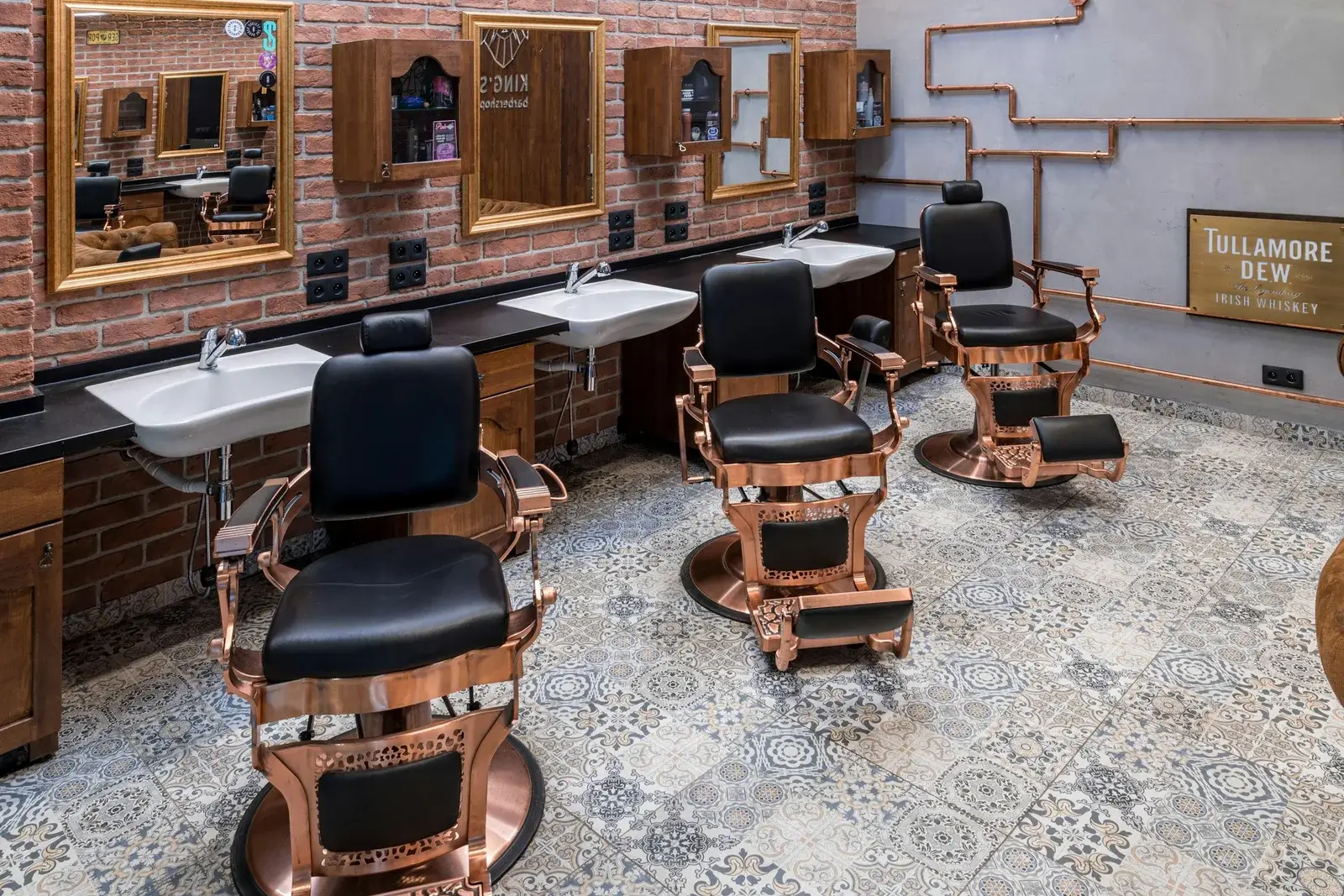
Salon software without POS: when a lean system makes sense
Not every salon needs fiscal till hardware. When booking, client records and a website are enough, and when a dedicat...

Cleanliness as a business card: modern hygiene standards in the hairdressing salon
Tool disinfection after every client, laundry cycles, workstation routines: how to turn your hygiene plan into three...
Avoid empty chairs: strategies against no-shows in the hairdressing salon
Reminders, written confirmations and calendar links come first; a cancellation fee only works when the rule is stated...

Loyalty that pays off: innovative customer loyalty for hairdressers
Clients come for the haircut and stay for the feeling. What belongs in the notes in the client file, and where bonus...